

Room Integrity Testing
Room Integrity Testing is a critical process used to assess how effectively an enclosure can retain fire suppression gases. For a gaseous fire suppression system to work correctly, the agent must remain at or above its design concentration for a specified duration—typically 10 minutes—in accordance with recognised standards such as BS EN 15004 and ISO 14520.

What is Room Integrity Testing?
Room Integrity Testing (also known as enclosure integrity testing) evaluates how long a protected space can hold a fire suppression agent without actually discharging the gas.
When a fire is detected, gaseous suppression systems release an extinguishing agent into the enclosure. This reduces oxygen levels and suppresses the fire. If the room is not properly sealed, the gas may escape too quickly, compromising the system’s effectiveness.
When is Integrity Testing Required
Industry standards recommend that Room Integrity Testing is carried out:
- Upon system installation
- After any structural or layout modifications
- Annually as part of ongoing compliance
These requirements apply to all enclosures protected by gaseous fire suppression systems, regardless of size or function.
Failure to carry out regular testing can result in:
- Ineffective fire protection
- Increased fire risk
- Potential invalidation of building insurance
What’s Involved in Room Integrity Testing?
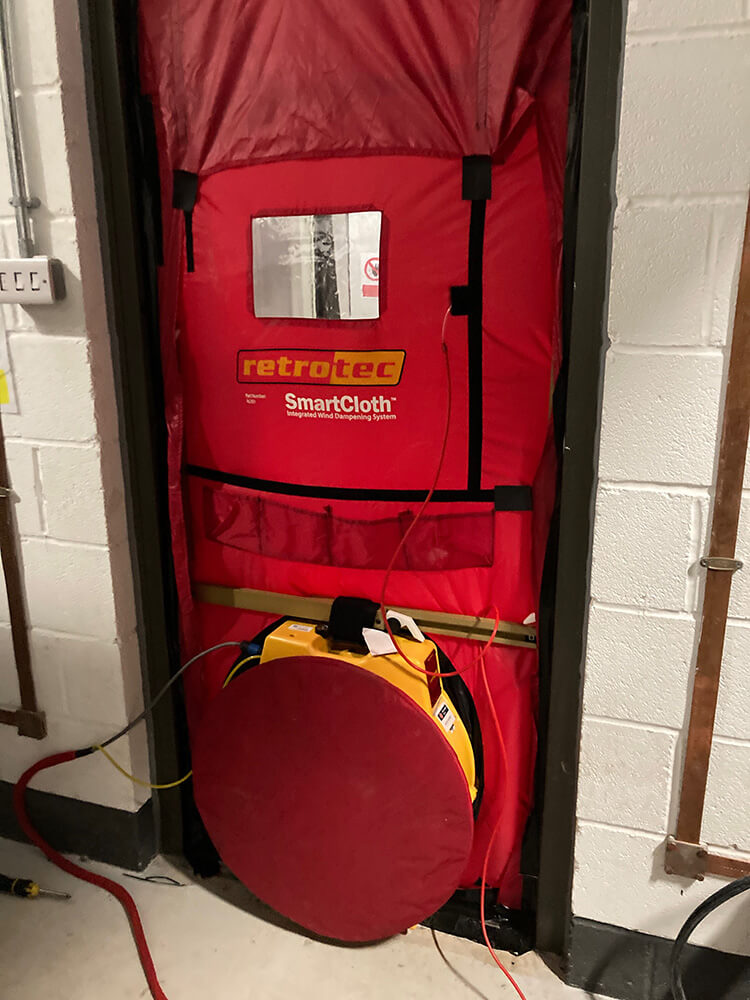
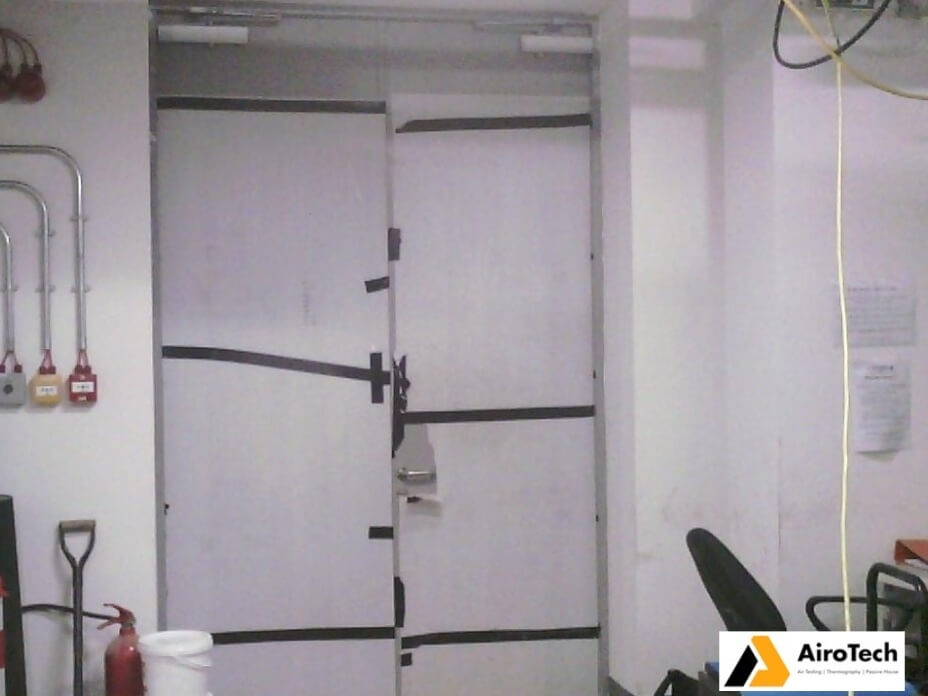
Our experienced engineers conduct testing using specialised fan equipment installed in a doorway. The process includes:
- Temporarily sealing the room
- Using calibrated fans to pressurise and depressurise the enclosure
- Measuring air pressure differentials
- Analysing data to determine leakage rates and predicted gas retention time
This non-invasive method allows us to accurately assess system performance without releasing any suppression agent.
What Happens if the Room Fails?
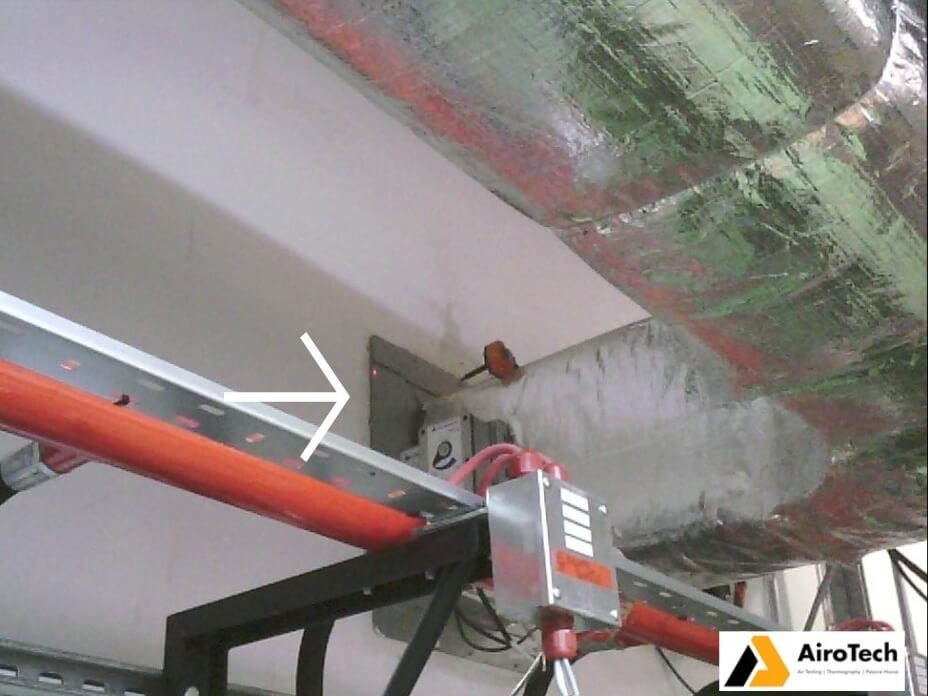
If the enclosure does not meet the required retention criteria, remedial action will be necessary. Before repairs begin, we identify leakage points using advanced diagnostic methods, including:
Smoke Testing
Visible smoke is introduced into the enclosure to highlight air leakage paths. As the room is depressurised, smoke escapes through gaps, clearly identifying problem areas.
Depressurisation Testing
By altering internal pressure, airflow patterns reveal where air is entering or escaping the room, helping pinpoint structural weaknesses in the room.
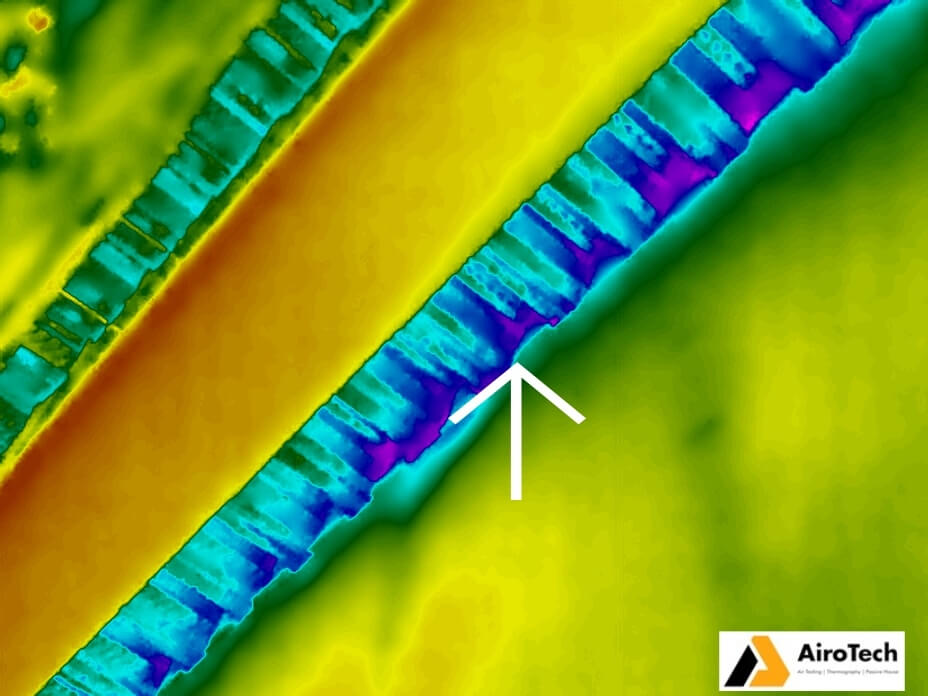
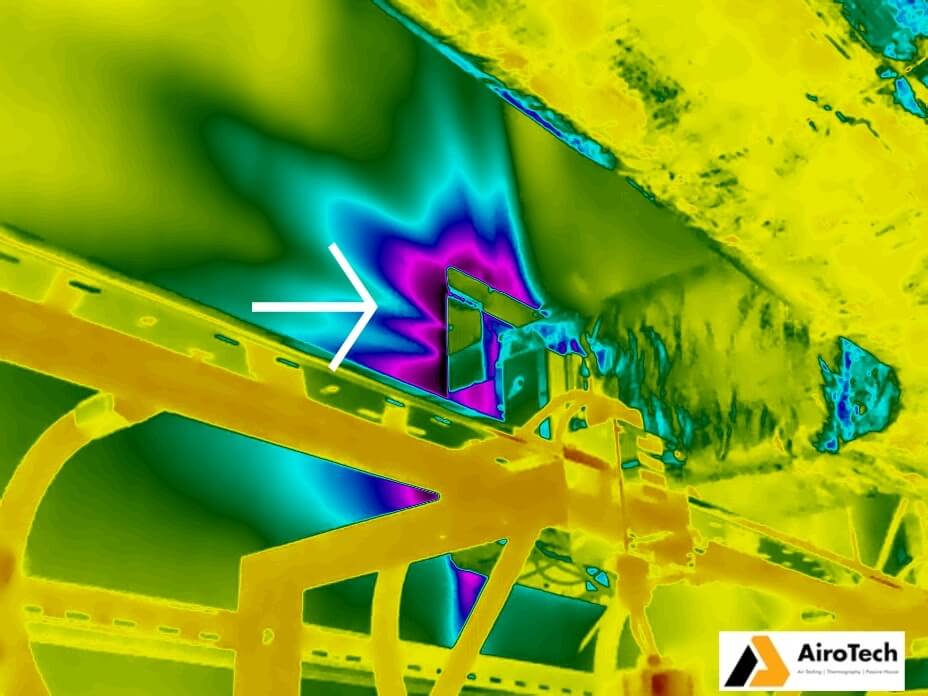
Thermographic Imaging
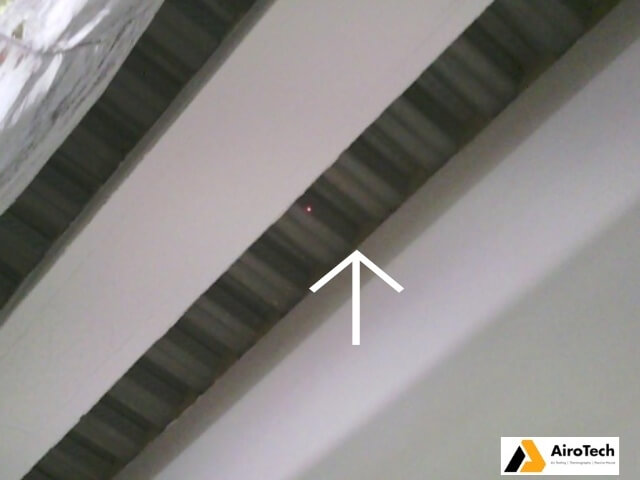
Using high-resolution infrared cameras, our certified Level 2 thermographers detect temperature variations that indicate leakage points. This enables precise identification and targeted repairs.


What Remedial Work May Be Required?
An enclosure may fail testing for several reasons, including:
- Insufficient gas retention time (below 10 minutes)
- Inadequate agent concentration
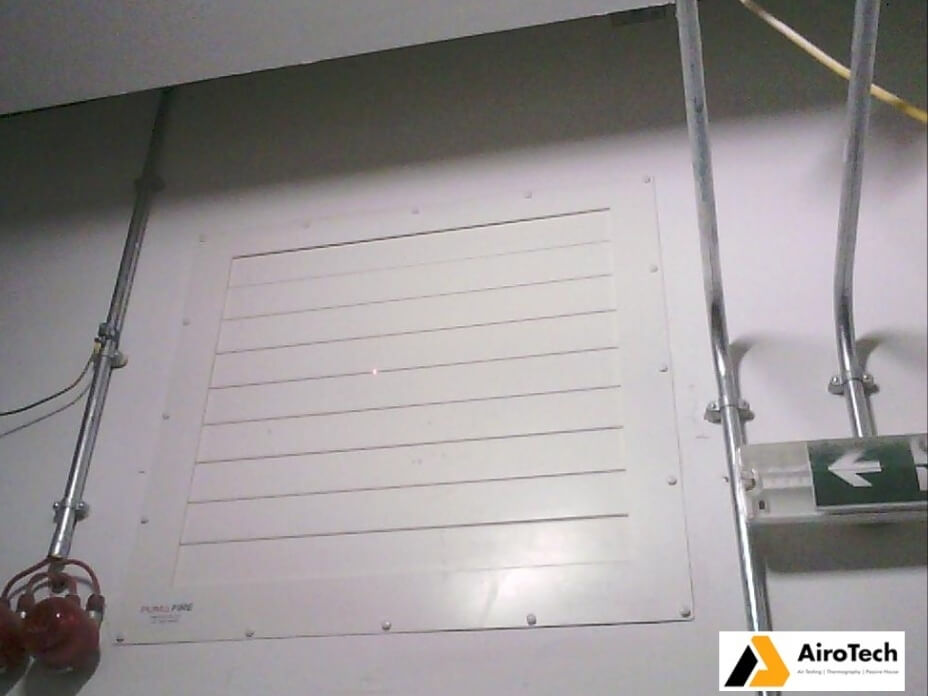
- Poor or missing pressure relief systems
These issues can lead to ineffective fire suppression or even structural damage during system discharge.
Effective sealing is essential. A properly sealed enclosure ensures:
- Minimal loss of suppression agent
- Reduced air ingress or suppression gas escape
- Optimal system performance during a fire event
Our Remedial Work Service
Following testing, we:
- Analyse results to determine root causes
- Develop a tailored remediation plan
- Carry out sealing and corrective works
- Retest to confirm compliance
The extent of remedial work depends on the level of leakage identified. In most cases, we can achieve a compliant result, provided adequate access to the enclosure is available.
We offer a comprehensive, end-to-end service including:
- Leak sealing
- Retesting and certification
- System performance optimisation
All work is completed by our fully trained in-house engineers, ensuring quality, reliability, and peace of mind.
Why It Matters
Room Integrity Testing is one of the most important factors in ensuring your fire suppression system performs as intended. Without a properly sealed enclosure, even the most advanced system may fail when it matters most.
Why Do I Need Annual Retesting?
Ensuring your facility has effective fire protection is not a one-time task—it requires ongoing verification. Annual Room Integrity Retesting is essential to confirm that your fire suppression system will perform as intended in the event of a fire.
Over time, even minor, unnoticed changes—such as building wear, new cable penetrations, or alterations to doors and seals—can significantly impact an enclosure’s ability to retain a suppression agent. Without regular testing, these issues may go undetected, putting your protection at risk.
A Simple Way to Think About It
Annual retesting is much like an MOT for your enclosure. It ensures that everything continues to function correctly, safely, and in line with current standards.
Compliance & Ongoing Maintenance
Since 2006, recognised standards including NFPA, BS EN, and ISO have required that all enclosures protected by gaseous fire suppression systems undergo Room Integrity Testing at least annually—or more frequently if any structural or environmental changes occur.
Regular testing is essential to guarantee system performance. Without it, there is no assurance that the suppression agent will be retained long enough to effectively extinguish a fire. For this reason, we strongly recommend incorporating Room Integrity Testing into a structured annual maintenance and service programme.
Frequently Asked Questions
If a room is not properly sealed, the suppression gas can escape too quickly. That can reduce system performance, increase fire risk, and potentially affect insurance compliance.
Even small changes such as wear and tear, new cable penetrations, or changes to doors and seals can affect enclosure performance over time. Annual retesting helps ensure the room still performs as intended and remains compliant.
Testing is typically recommended when a system is first installed, after structural or layout changes, and annually as part of ongoing compliance and maintenance.
Room Integrity Testing checks how well a protected room can hold a fire suppression gas after discharge. It predicts whether the enclosure can retain the agent at the required concentration for long enough to suppress a fire effectively.
If the room does not meet the required retention criteria, leakage points are identified and remedial work is recommended. This may involve smoke testing, depressurisation testing, thermographic imaging, sealing works, and a retest to confirm compliance.
Engineers temporarily seal the room, install calibrated fan equipment in a doorway, pressurise and depressurise the enclosure, and measure air pressure differences. The data is then analysed to calculate leakage rates and predicted gas retention time.
In most cases, the room needs to retain the fire suppression agent for around 10 minutes, in line with recognised standards such as BS EN 15004 and ISO 14520.
No. Room Integrity Testing is a non-invasive process that uses specialist fan equipment to assess the enclosure’s leakage characteristics without discharging the suppression agent.
Gas Suppression Testing Projects

Gas Suppression Testing, Chester
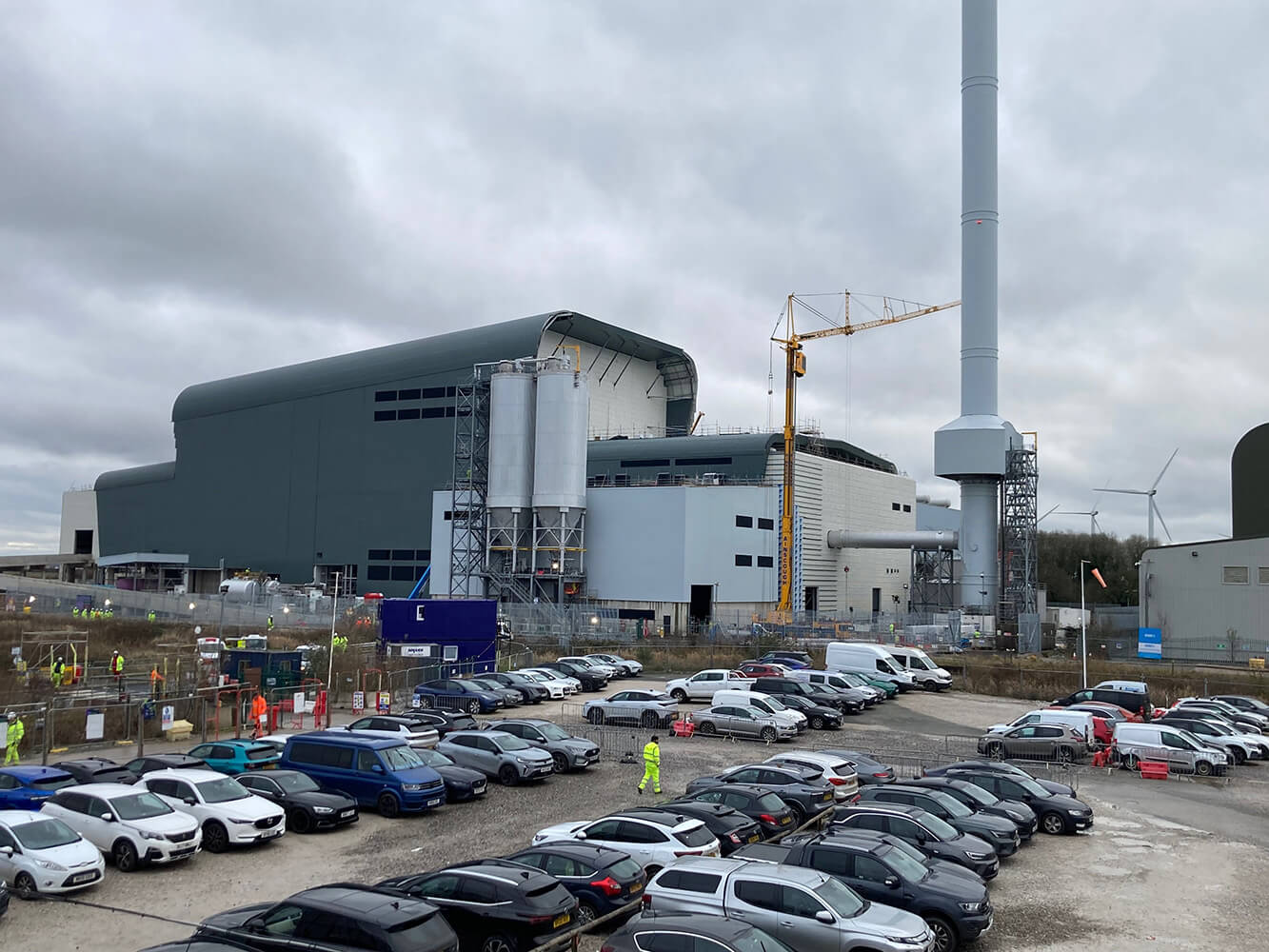
Testing at Protos Energy Recovery Facility
Get in Touch
To ensure your system remains compliant, effective, and fully operational, contact our team today for expert advice or to schedule a test.